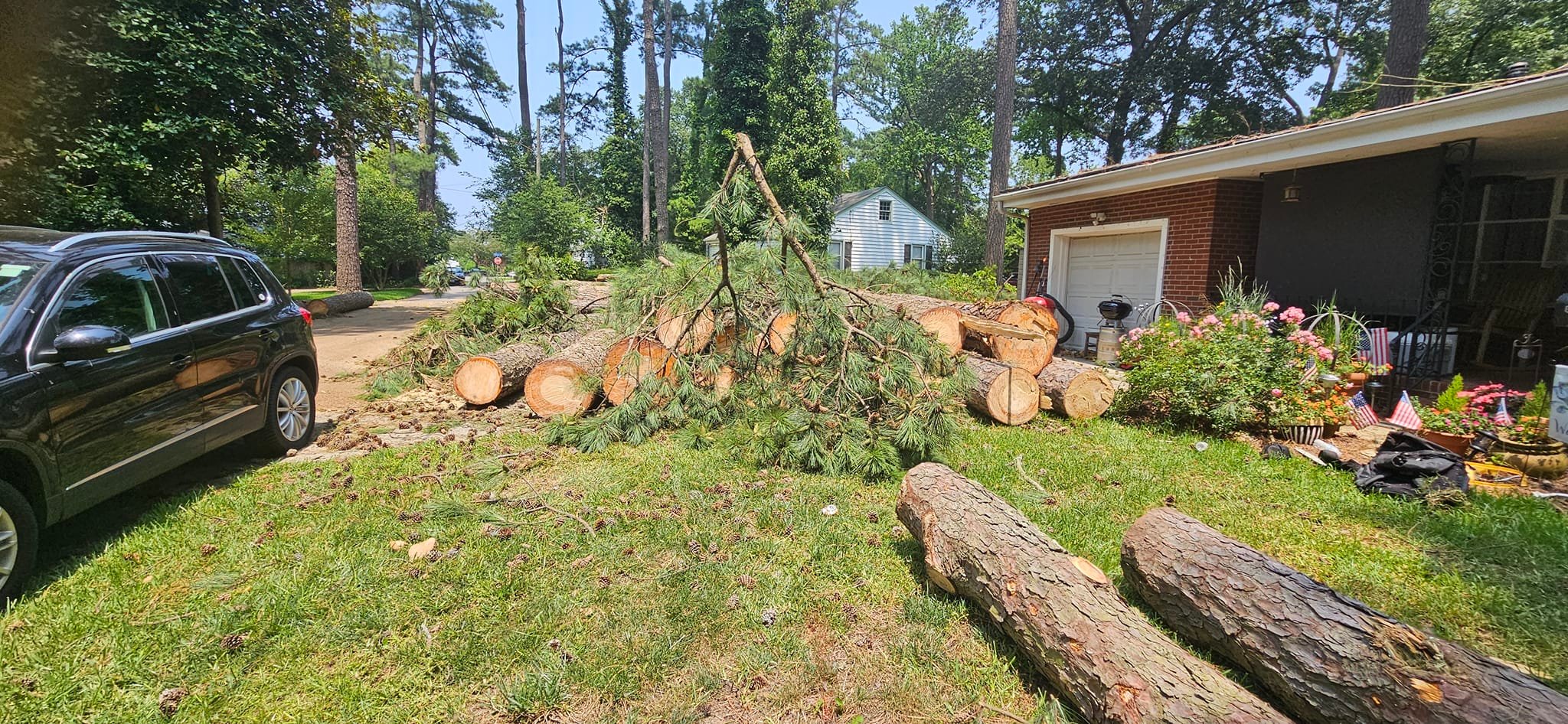
Guidelines for Seasonal Tree Maintenance: Ensuring Robust Growth in Coastal Regions Apr 13, 2026
Understanding the Needs of Coastal Trees
Coastal environments can be tough on trees due to high winds, salt spray, and varying soil quality. Selecting the right tree species, such as maritime pine or southern live oak, that are naturally resistant to these conditions is paramount for successful growth. Regularly assessing the health and stability of your trees will help you identify any issues early on, allowing for timely intervention.
Spring: Revitalize and Prepare
Spring is a critical time for tree maintenance as it lays the groundwork for healthy growth in the months ahead. Start by pruning any dead or damaged branches to encourage new growth and improve air circulation. This will also reduce the risk of disease and pest infestation. Fertilize your trees with a balanced nutrient mix tailored for coastal areas to give them the boost they need coming out of winter.
Additionally, applying a fresh layer of mulch around the base of your trees helps retain moisture and insulates the roots from temperature fluctuations. Be careful to leave space around the trunk to prevent rot and root diseases.
Summer: Sustain and Protect
The summer months require diligent watering and monitoring to combat the effects of high temperatures and drying winds. Ensure your trees receive adequate water, particularly during extended dry spells. Drip irrigation systems are effective in delivering the moisture directly to the roots, minimizing evaporation. This is crucial for combating the drying effects of salt carried in coastal winds.
Inspect the leaves and bark regularly for signs of pests or diseases, as summer heat can exacerbate these problems. Implementing organic pest control methods not only protects the health of your trees but also preserves the delicate ecosystem they thrive in.
Fall: Fortify and Repair
Autumn is the time to prepare your trees for the upcoming harsh winter conditions. Focus on reinforcing tree health by conducting a thorough inspection of their structural integrity. Remove any weak or damaged limbs that could become hazards in winter storms. Fall is also an ideal time to apply a slow-release fertilizer to enrich the soil over the winter months.
Consider installing windbreaks or protective barriers around young or vulnerable trees. These barriers can help mitigate the damaging effects of strong coastal winds.
Winter: Preserve and Rest
Though trees are dormant in winter, they still require care. Regularly check for ice buildup on branches, which can cause them to bend or break. Gently remove accumulated snow to prevent damage. This is also the time to prune trees, as their structure is more visible and healing will be quicker when spring arrives.
Regular maintenance checks for disease and damage should continue, even in the cooler months, ensuring any issues can be promptly addressed before spring growth begins.
In conclusion, maintaining healthy trees in coastal areas demands an understanding of the unique environmental challenges and a commitment to seasonal care. By following these guidelines and leveraging the expertise of professional services like Beach Tree Care, you can ensure that your trees continue to thrive and contribute to the beauty and balance of your coastal landscape.
/filters:no_upscale()/filters:format(webp)/media/a8072199-7a21-469b-b0f8-e3c48a75bfbe.jpeg)