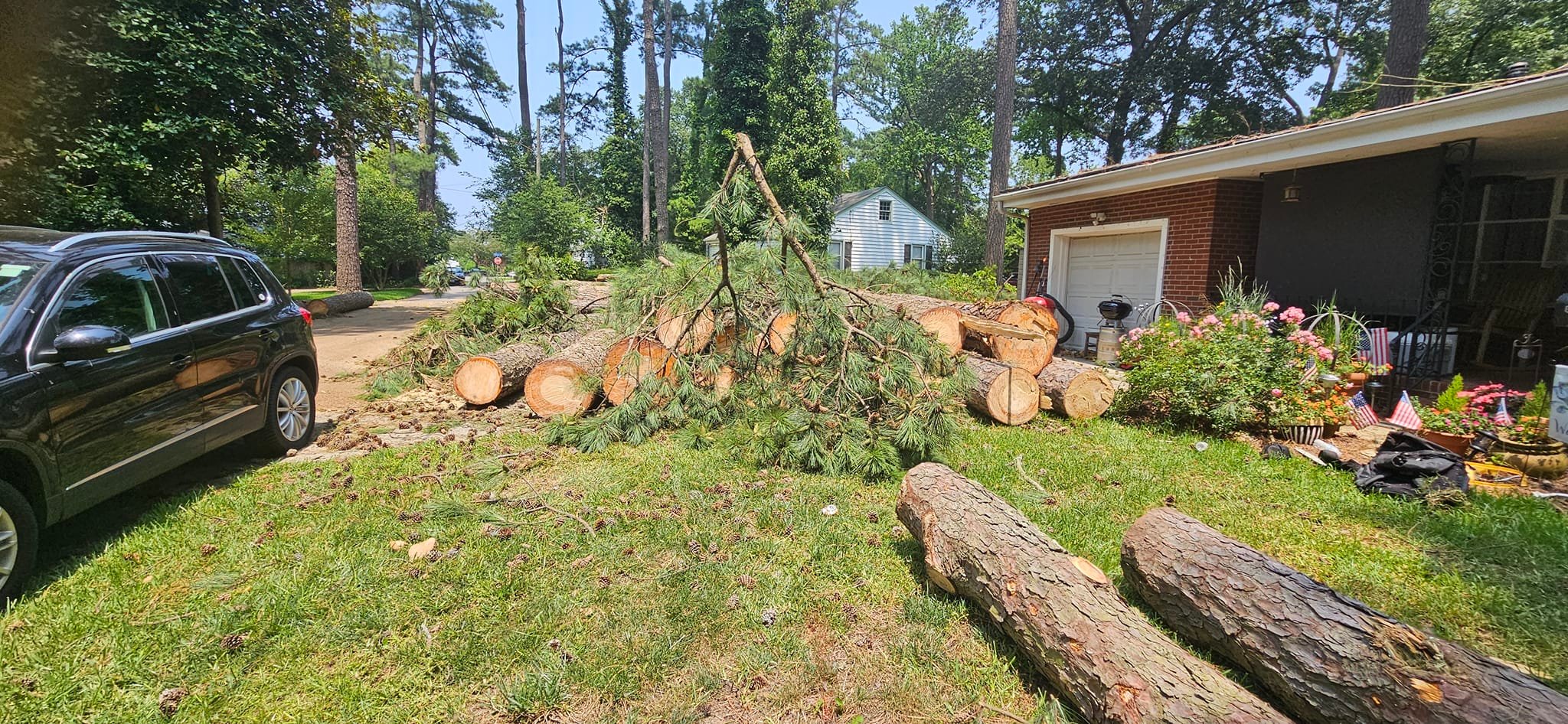
Long-Term Care Strategies for Dune and Beachfront Trees Jan 16, 2026
The coastal environment is dynamic and can be quite unforgiving. Trees in these areas frequently encounter intense sunlight, high winds, and saline conditions, which can impede their growth. The initial step in long-term care for beachfront trees is selecting the right species. Native species such as Sea Grape, Australian Pine, and Beach Spider Lily are typically more resilient and adapted to local conditions. When planting new trees, they should be placed where they can be sheltered from the most severe weather conditions, yet receive enough sunlight and airflow.
Once the right species are chosen, proper planting techniques are crucial. Ensuring that the roots have adequate space to develop is vital in sandy soils where nutrient retention is limited. It's recommended to plant trees in slight depressions, which can help conserve water and provide some protection from wind exposure. Applying organic mulch can be incredibly beneficial, as it helps retain moisture and adds essential nutrients as it breaks down.
Regular maintenance is another pillar of long-term care. Pruning is not just about aesthetics; it's critical for removing dead or weakened branches that could become hazardous during storms. Pruning also encourages stronger structure and better air circulation within the canopy, which prevents fungal diseases. At Beach Tree Care, we provide professional pruning services to promote optimal health and resilience in beachfront trees.
Irrigation is a common challenge in sandy soils that drain rapidly. To combat this, an efficient watering system should be established. Drip irrigation systems are highly effective as they deliver water directly to the roots, minimizing evaporation and ensuring that the essential water reaches the areas where it's most needed. During dry spells, supplementing natural rainfall with irrigation can be the difference between a healthy tree and one that's struggling to survive.
Beachfront trees also benefit from regular fertilization, which compensates for the lack of nutrients in their environment. A balanced, slow-release fertilizer applied appropriately can bolster tree health and vitality, helping them withstand environmental stressors. Soil testing is recommended to identify specific nutrient deficiencies and tailor fertilization practices accordingly.
It is important to consider the environmental benefits of maintaining healthy dune and beachfront trees. These trees play a significant role in reducing erosion, protecting against storm surges, and enhancing local biodiversity. The ecological impact of these trees underscores the importance of adopting sustainable care and conservation practices.
In conclusion, long-term care for beachfront trees requires careful species selection, attentive planting, regular maintenance, and judicious water and nutrient management. At Beach Tree Care, we're committed to helping our clients preserve the health and beauty of their coastal landscapes. By following these strategies, property owners can ensure that their beachfront trees not only survive but thrive, adding value and security to their natural surroundings for years to come.
/filters:no_upscale()/filters:format(webp)/media/a8072199-7a21-469b-b0f8-e3c48a75bfbe.jpeg)