The Impact of Climate Change on Coastal Tree Lifespans Feb 09, 2026
The first factor to consider is the rising temperatures. Coastal areas are experiencing higher average temperatures, which can stress tree species that are not adapted to such intense heat. This temperature increase accelerates evapotranspiration rates, leading to a higher likelihood of drought conditions. For trees, drought stress reduces water availability, compromising their growth and increasing mortality rates. In this scenario, it becomes essential for tree care companies to emphasize regular watering practices and explore drought-resistant species to enhance the resilience of coastal tree populations.
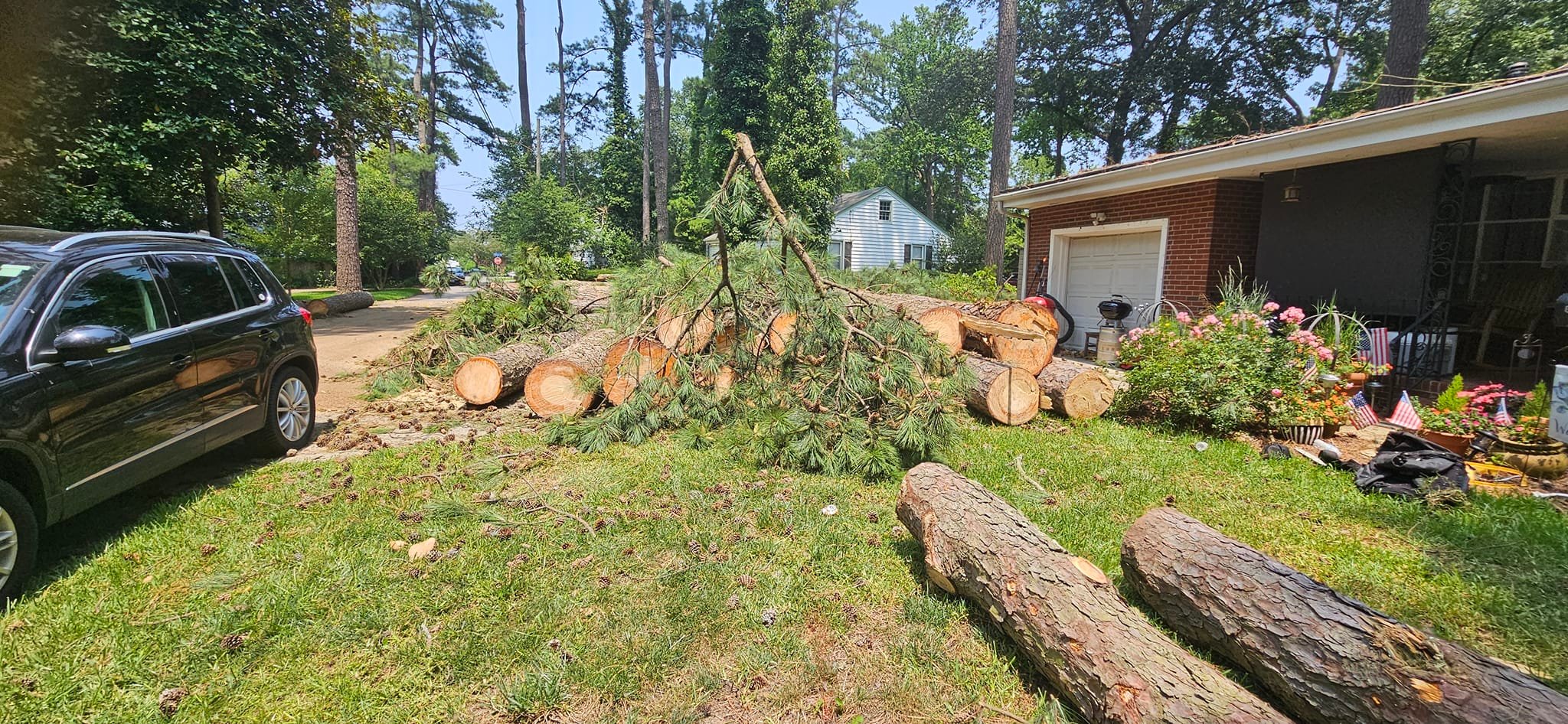
Another significant consequence of climate change is the increased frequency and severity of storms. Hurricanes and other extreme weather events are more common, posing a direct threat to the structural integrity of coastal trees. Strong winds, heavy rainfall, and storm surges can uproot trees, break branches, and cause significant damage to ecosystems and human infrastructure. Tree care experts should prioritize regular health assessments, pruning, and fortifying vulnerable trees against potential storm damage, ensuring that coastal trees remain robust in the face of inclement weather.
Additionally, rising sea levels driven by melting ice caps and thermal expansion of seawater pose another challenge. Increased salinity from saltwater intrusion can harm tree roots and directly affect their nutritional uptake. Beach Tree Care must conduct soil analyses and consider implementing barriers or other forms of protection to mitigate the impact of saltwater on sensitive tree species. Choosing species that are naturally salt-tolerant or locating new plantings further inland can also be effective strategies to combat salinity issues.
Pests and diseases are further challenges exacerbated by climate change. Warmer climates can expand the habitat range of certain pests and pathogens, leading to increased infestations. Coastal trees, already stressed by environmental changes, may find it harder to fend off these new threats. Integrated pest management techniques, regular monitoring, and the promotion of biodiversity can help mitigate pest and disease impacts. Ensuring a healthy and varied tree population will create a more resilient ecosystem, better equipped to withstand these pressures.
The role of tree care services is pivotal in managing these challenges. By staying informed on the latest research and trends in climate adaptation, companies like Beach Tree Care can implement cutting-edge practices. This involves not only reacting to immediate issues but also planning for long-term sustainability. Creating awareness through education and community engagement will empower local residents and stakeholders to participate in conservation initiatives actively, preserving the coastal landscapes for future generations.
In conclusion, the impact of climate change on coastal tree lifespans is multifaceted, affecting everything from temperature resilience to storm preparedness and pest control. Beach Tree Care and similar services must adopt a proactive approach, integrating innovative techniques and adapting to ever-changing conditions to ensure the health and longevity of coastal trees. By prioritizing sustainable practices today, we can secure a verdant and resilient coastal environment for tomorrow.
/filters:no_upscale()/filters:format(webp)/media/a8072199-7a21-469b-b0f8-e3c48a75bfbe.jpeg)