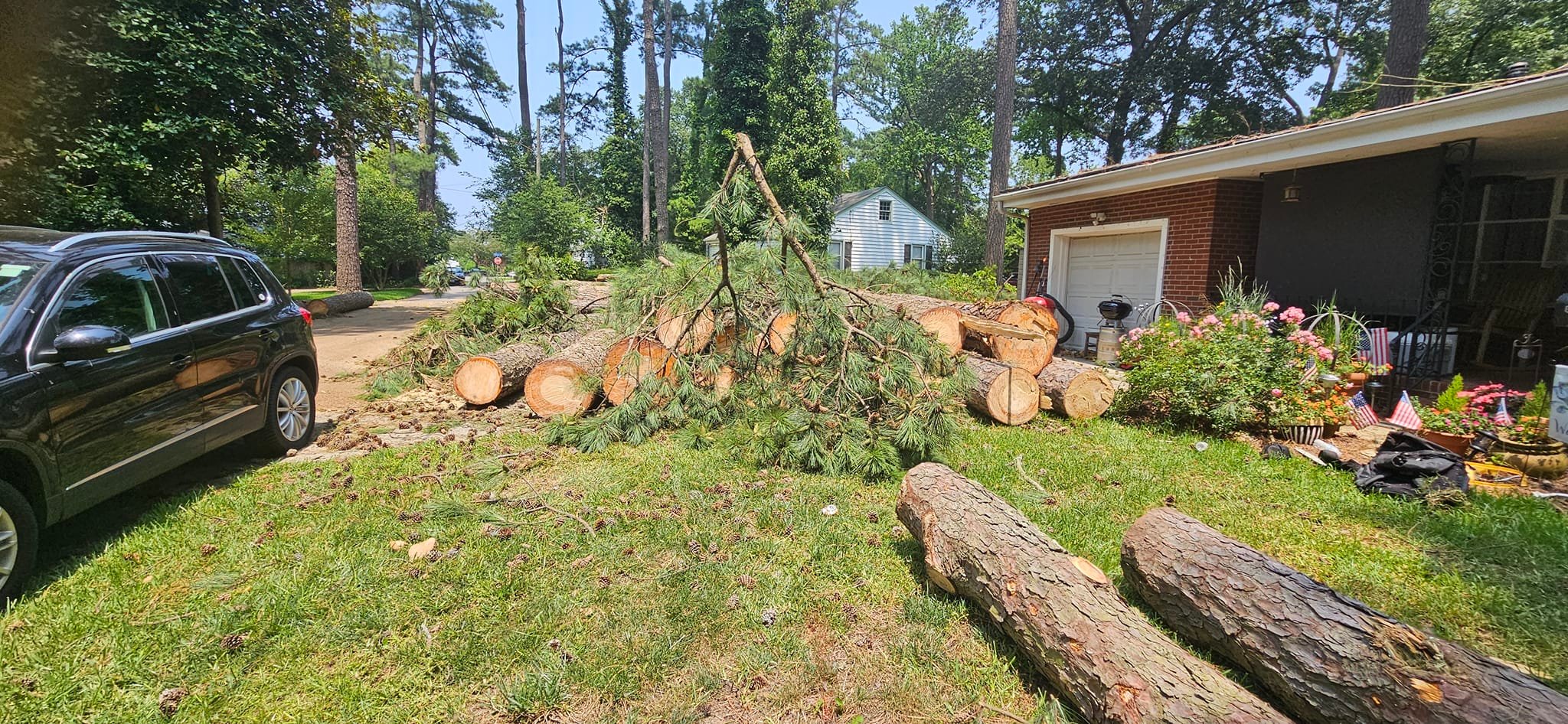
Tree Planting and Maintenance for Beach Trails: Creating Scenic and Sustainable Routes Jul 13, 2026
When we consider tree planting for beach trails, the focus should be on selecting the right species. Native trees are ideal choices, as they are already adapted to the local climate and soil conditions, making them low maintenance and highly resistant to local pests and diseases. This means less need for chemical interventions, aligning with sustainable environmental practices. Furthermore, native trees support local biodiversity. Species like live oaks, coastal pines, and various types of palms are often popular for beachside planting due to their iconic, resilient nature.
Planting should ideally occur in late fall or early winter. These seasons ensure that the young trees experience the mildest weather while they establish root systems strong enough to survive harsher conditions. Careful planning regarding spacing is also vital. Trees too close together can struggle for resources, while too far apart could lose the visual and ecological benefits of dense planting.
Proper maintenance goes hand-in-hand with effective tree planting, crucial for sustaining healthy beach trails. Regular watering, especially during dry spells, ensures that young saplings don't dry out. Installing an irrigation system might be a cost-effective investment for larger trail projects, maintaining consistent moisture levels. Mulching not only aids in moisture retention but also suppresses weed growth and adds nutrients to the soil as it decomposes.
Prune immature trees carefully to shape them and remove any dead or diseased wood. This task reduces the risk of future structural issues, minimizing the potential hazard of falling branches along busy trails. Pruning should be done when trees are dormant to ensure better growth and reduced stress. For palm trees located along beach trails, de-thatching is essential. Removing dead fronds keeps them healthy while maintaining the aesthetic appeal tourists and locals enjoy.
Another important aspect of maintaining scenic beach trails is pest management. While native trees are less prone to infestations, monitoring for pests is still a crucial step. Using biological controls can be an eco-friendly approach, involving the introduction of natural predators. Doing so minimizes chemical interventions, keeping trails safe for both the environment and the people who frequent them.
Beach Tree Care, with extensive experience in this ecosystem, knows the importance of not only planting but also nurturing these green giants to promote sustainable and scenic beach environments. Our strategies incorporate the latest environmentally-friendly practices to ensure that your beach trails remain lively and inviting.
In conclusion, tree planting and maintenance are vital processes in crafting beach trails that are both scenic and sustainable. By carefully selecting native species, planning planting schedules, and maintaining diligent care programs, beach trails can thrive as oases of beauty and biodiversity. For anyone invested in the vitality of these environments, partnering with experts who understand the local ecological dynamics is a worthwhile commitment, ensuring these paths remain treasures for future generations.
/filters:no_upscale()/filters:format(webp)/media/a8072199-7a21-469b-b0f8-e3c48a75bfbe.jpeg)