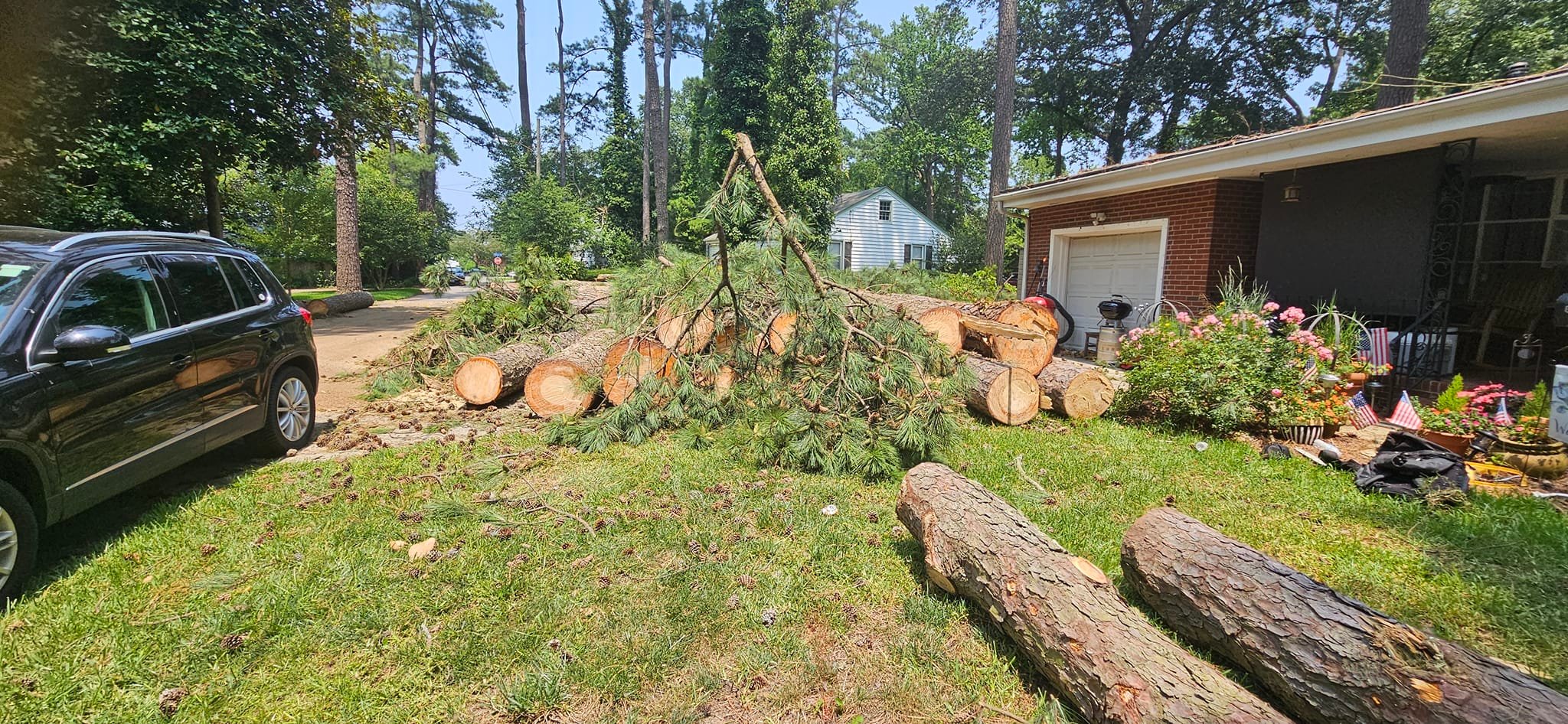
Understanding Coastal Tree Root Systems: Tips for Nurturing and Protection Feb 04, 2026
Tree root systems are not only essential for nutrient and water uptake; they also anchor trees firmly into the ground, ensuring stability even during coastal storms. Unlike other environments, sandy soils found near beaches need special attention. They are less dense and provide fewer nutrients, meaning roots must extend deeper or spread wider to access necessary resources. Understanding this, regular soil testing is beneficial to assess nutrient levels and determine if soil amendments are necessary.
One of the biggest challenges for coastal tree roots is salt exposure. Salt can lead to dehydration, nutrient imbalance, and even root death if not managed properly. Strategies such as applying gypsum can help neutralize salt levels in the soil, while regular watering can prevent salt from accumulating in the root zone. Mulching around the base of your trees is another effective method. It retains soil moisture, reduces temperature fluctuations, and adds organic matter to the soil as it breaks down.
To promote healthy root growth, consider the type and depth of soil when planting new trees. Opt for native species that are well-adapted to the coastal environment, as they are more likely to tolerate sandy conditions and salt exposure. It's equally important to provide ample space for root expansion. A cramped root system can stunt tree growth and make trees prone to toppling in high winds. Implementing preventative measures such as windbreaks or choosing naturally wind-resistant species can also mitigate this risk.
Regular pruning plays a critical role in maintaining the balance between root and crown development. Focus on cutting back overly dense foliage to ensure that the roots can support the canopy above. However, be cautious not to remove more than 25% of the tree's live branches in a single year, as this can put stress on the tree and its roots.
Monitoring the health of your tree's roots should be a part of regular landscape maintenance. Look for signs such as wilting leaves, dieback, or exposed roots, which might indicate issues below ground. If you suspect underlying health problems, professional services like those offered by Beach Tree Care can perform root and soil analysis to diagnose and address specific concerns effectively.
In conclusion, nurturing and protecting coastal tree root systems is essential for maintaining a vibrant and sustainable landscape. By understanding the unique challenges posed by coastal environments and implementing informed care practices, you can ensure your trees not only survive but thrive. With careful attention to soil conditions, salt management, and thoughtful tree selection, your coastal haven will remain beautiful and resilient for years to come. For more personalized advice or professional assistance, reach out to Beach Tree Care and let us help you create the perfect coastal paradise.
/filters:no_upscale()/filters:format(webp)/media/a8072199-7a21-469b-b0f8-e3c48a75bfbe.jpeg)